Shoyu Ramen
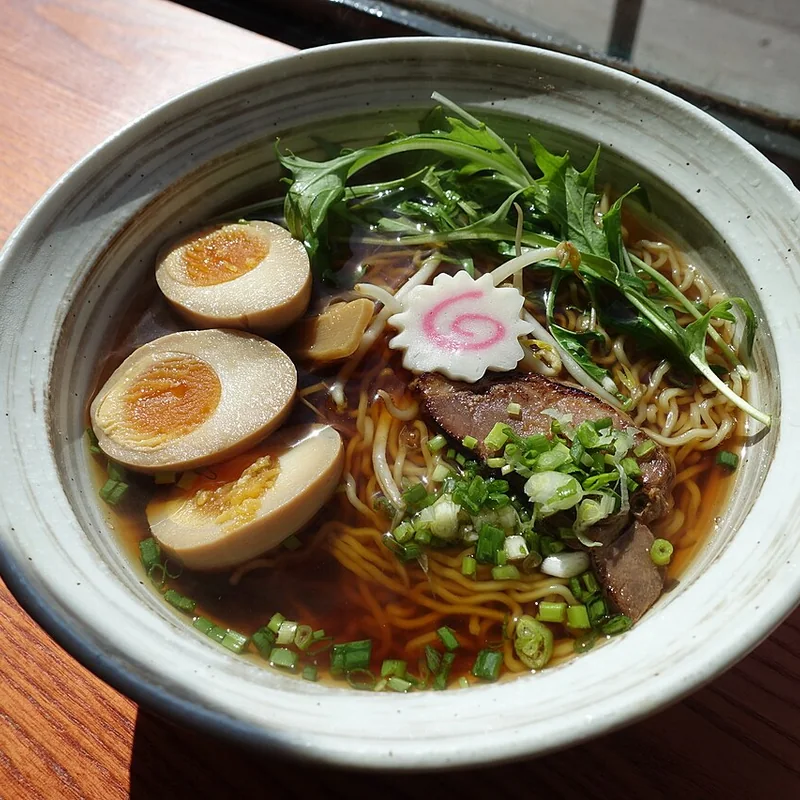
A soy-seasoned broth, springy noodles and egg make ramen a clear, comforting introduction to Japanese soup and noodle craft.
Explore this dish🍜 First-time ordering guide
A first visit should not require memorizing an entire cuisine. Use this guide to compare flavors, choose a manageable Japanese order and understand what this six-dish CraveLoop collection can—and cannot—tell you.
Three useful starting points
These are not a universal “best of” ranking. They simply create three different ways into the menu, using dishes already documented in this collection.
A soy-seasoned broth, springy noodles and egg make ramen a clear, comforting introduction to Japanese soup and noodle craft.
Explore this dish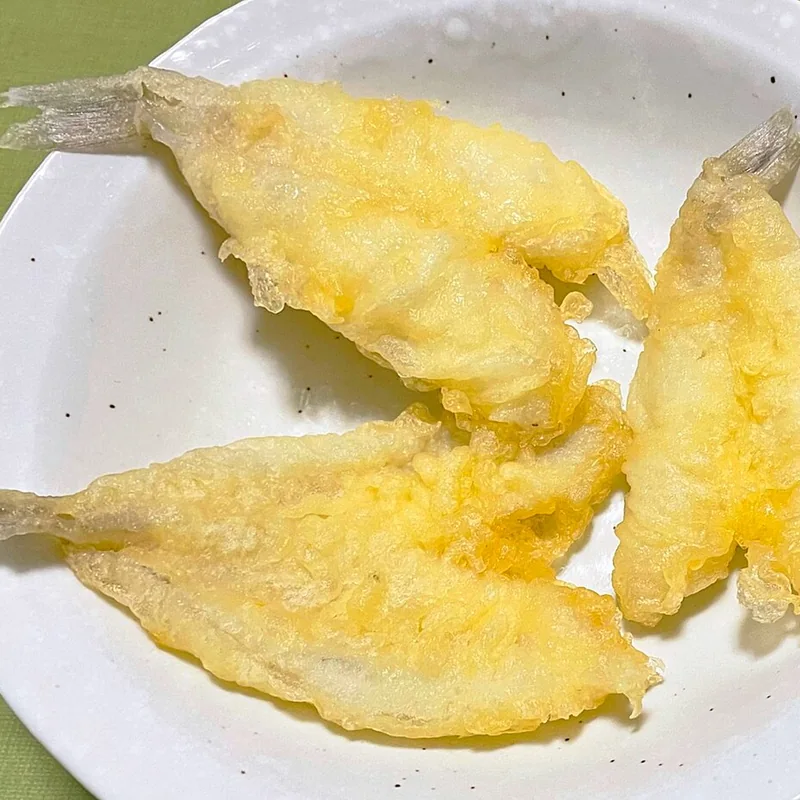
Tempura shows how a very light batter can turn seafood and vegetables crisp without hiding their flavor.
Explore this dish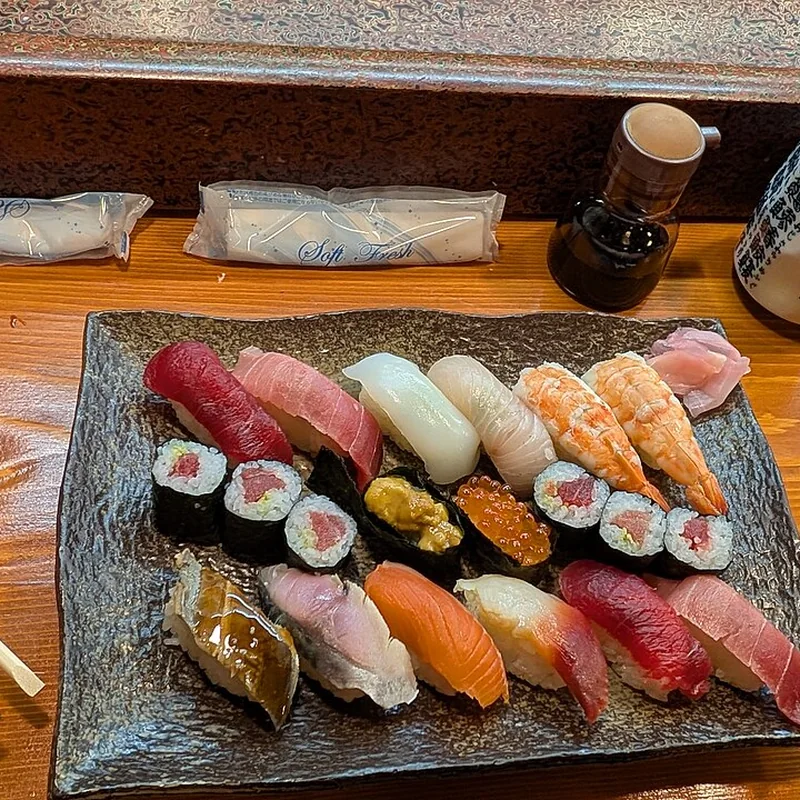
A mixed sushi plate lets you compare seasoned rice, clean seafood and rolled combinations in one order.
Explore this dish01 · Flavor map
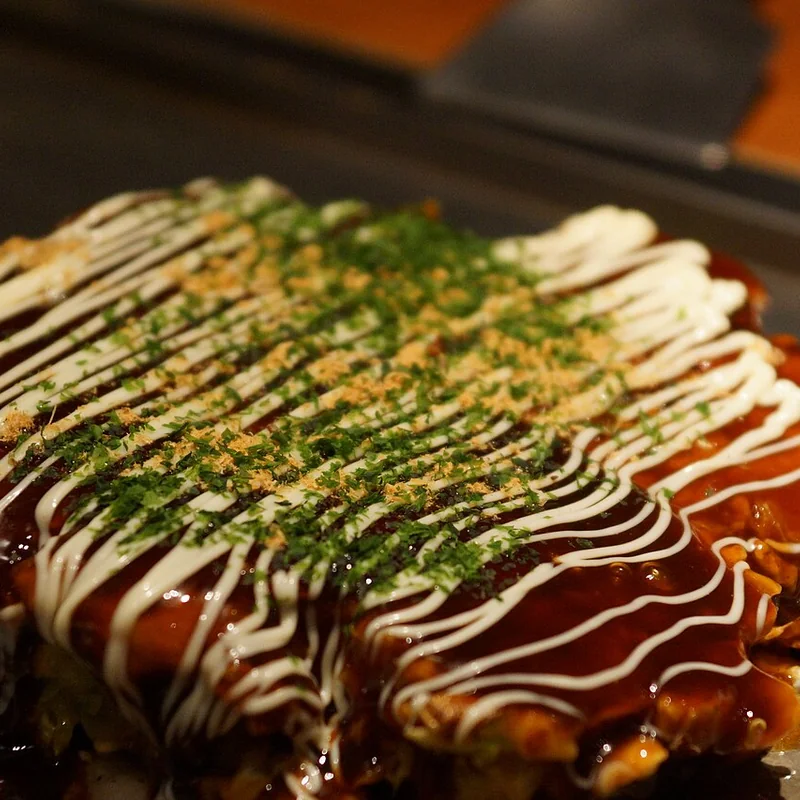
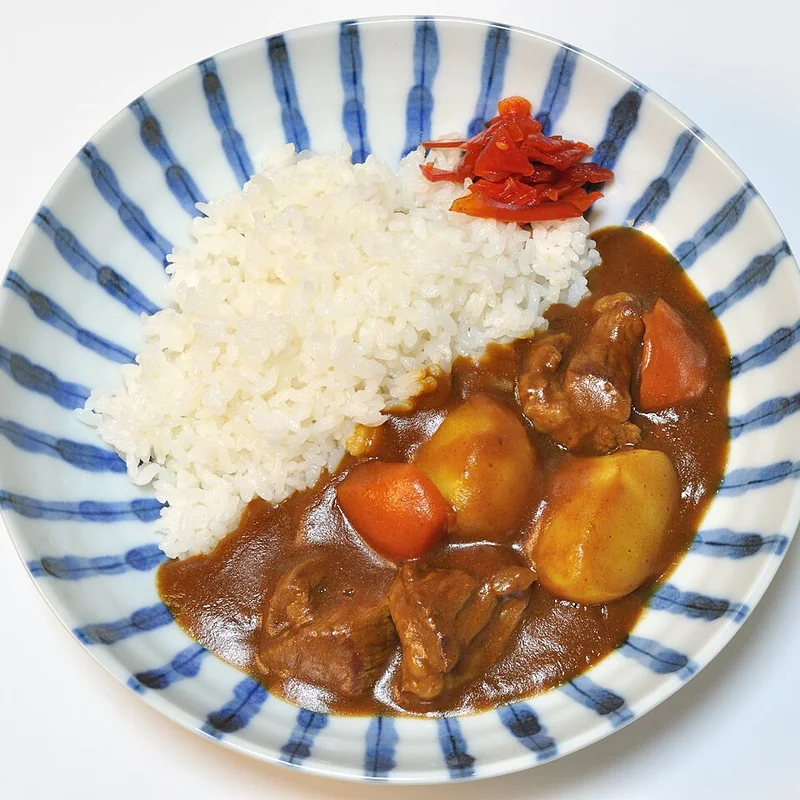
Japanese food is not one flavor or a synonym for sushi. Many dishes build savoriness with dashi, soy sauce, miso or grilled browning, then balance it with rice, pickles and fresh garnishes. A bowl of ramen may be rich and salty; sushi can be cool and restrained; tempura is crisp and delicate; Japanese curry is thick, mild and gently sweet. Menus vary widely by region and restaurant, so use those contrasts—not a single “authentic” flavor—as your map.
02 · Order
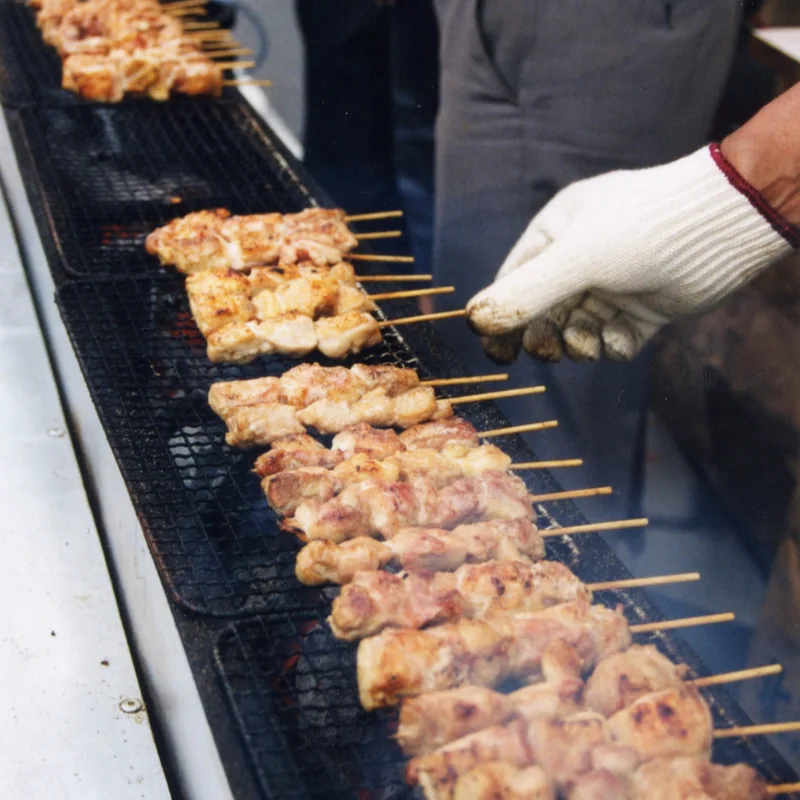
For a low-pressure first order, choose one format you already enjoy. If noodles are familiar, start with shoyu ramen. If you prefer rice and mild sauces, Japanese curry is easier than guessing among raw-fish options. Add tempura or yakitori when the table wants something crisp or grilled to share. Curious about sushi? A mixed platter creates more comparison than six pieces of one fish. You do not need to order every category, and there is no universal sequence across casual Japanese restaurants.
03 · Share
For two people, a practical comparison is one shared crisp or grilled plate plus two individual mains: tempura or yakitori, then ramen, curry or a sushi set according to preference. That gives the table texture, broth or rice, and enough contrast without pretending every menu has the same portions. Check whether the restaurant specializes in ramen, sushi, izakaya plates or another format before applying this plan; a specialist shop may be designed around one main dish rather than a shared feast.
Scope note: restaurant menus, regional traditions, recipes and serving sizes vary. This page is an orientation to six documented dishes—not a claim that they represent every Japanese kitchen. Confirm ingredients, allergens and dietary needs with the restaurant.
Compare before you order
Open any dish for a direct flavor description and short origin note. The $0 buttons belong to CraveLoop’s fictional cart; they do not contact a restaurant.