Bibimbap
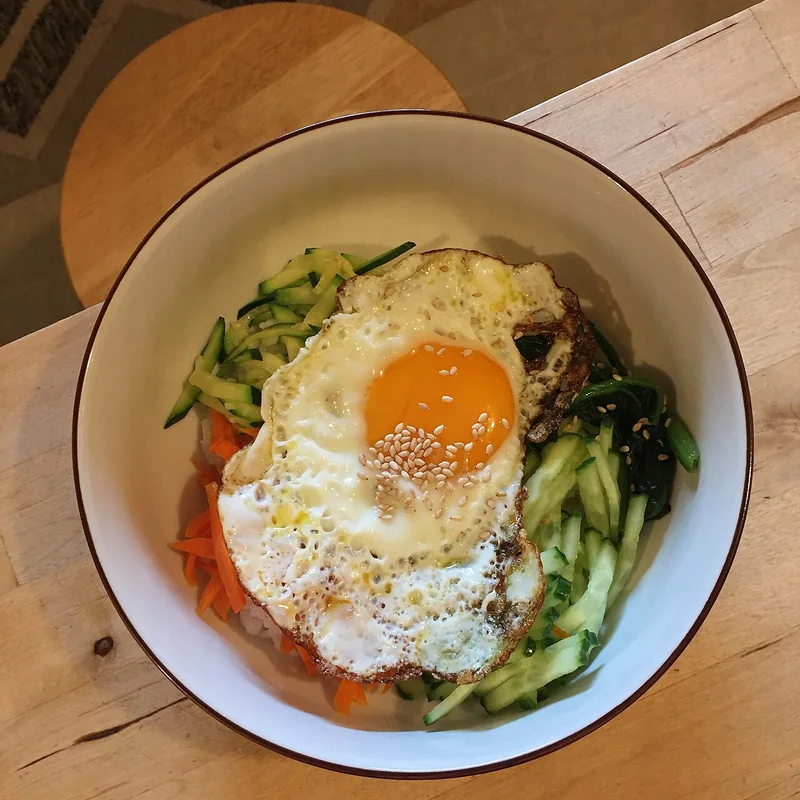
Bibimbap puts rice, vegetables, egg and chile paste in one adjustable bowl, so you can mix gradually and control the heat.
Explore this dish🍚 First-time ordering guide
A first visit should not require memorizing an entire cuisine. Use this guide to compare flavors, choose a manageable Korean order and understand what this six-dish CraveLoop collection can—and cannot—tell you.
Three useful starting points
These are not a universal “best of” ranking. They simply create three different ways into the menu, using dishes already documented in this collection.
Bibimbap puts rice, vegetables, egg and chile paste in one adjustable bowl, so you can mix gradually and control the heat.
Explore this dish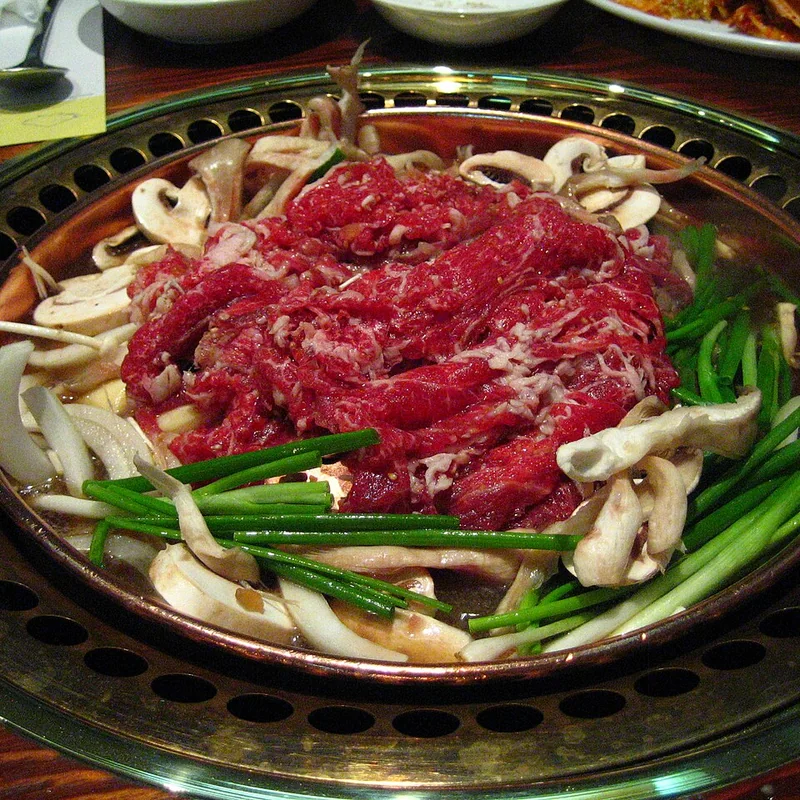
Bulgogi offers a familiar grilled-beef format with soy, pear, garlic and sesame flavors rather than chile-forward heat.
Explore this dish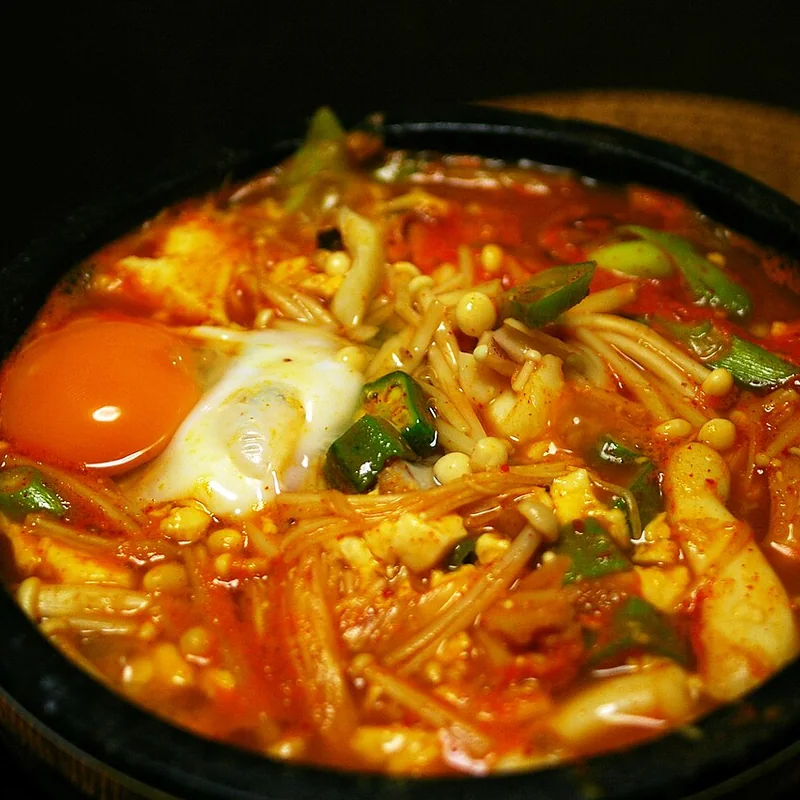
Sundubu jjigae introduces the bubbling stew side of Korean food with soft tofu, a savory red broth and rice.
Explore this dish01 · Flavor map
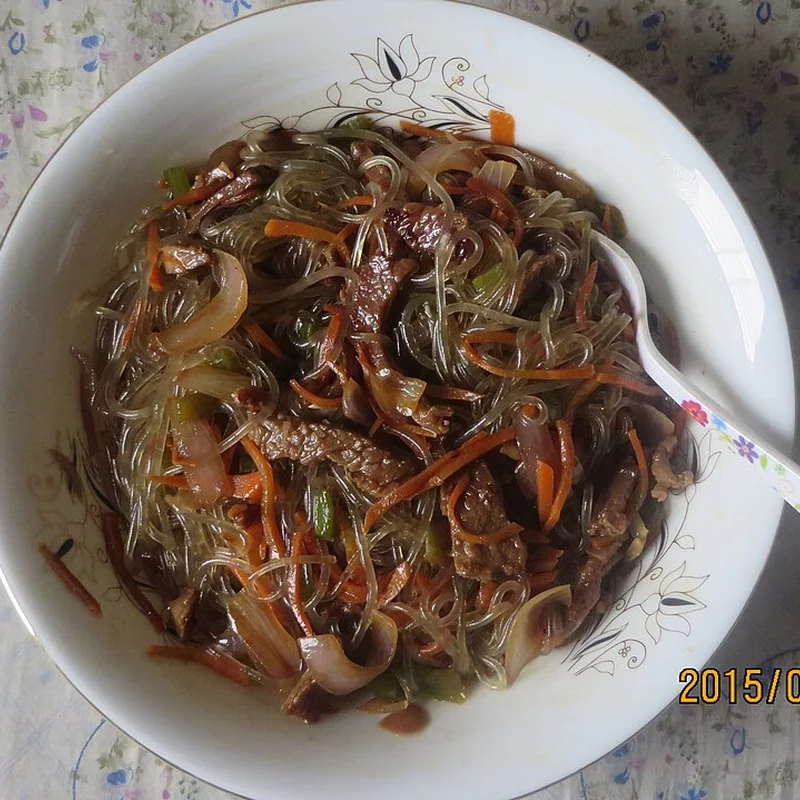
Korean menus often create contrast: fermented tang beside grilled meat, hot stew beside cool vegetables, chewy rice cakes beside crisp edges. Gochujang and chile flakes can bring heat, but sesame, soy, garlic, scallion and fermentation are just as important. Bibimbap is layered and adjustable; bulgogi is sweet-savory; sundubu jjigae is warming and chile-rich; japchae is glossy, mildly sweet and not usually hot. Side dishes vary by restaurant, season and meal, so they are part of the experience rather than a fixed checklist.
02 · Order
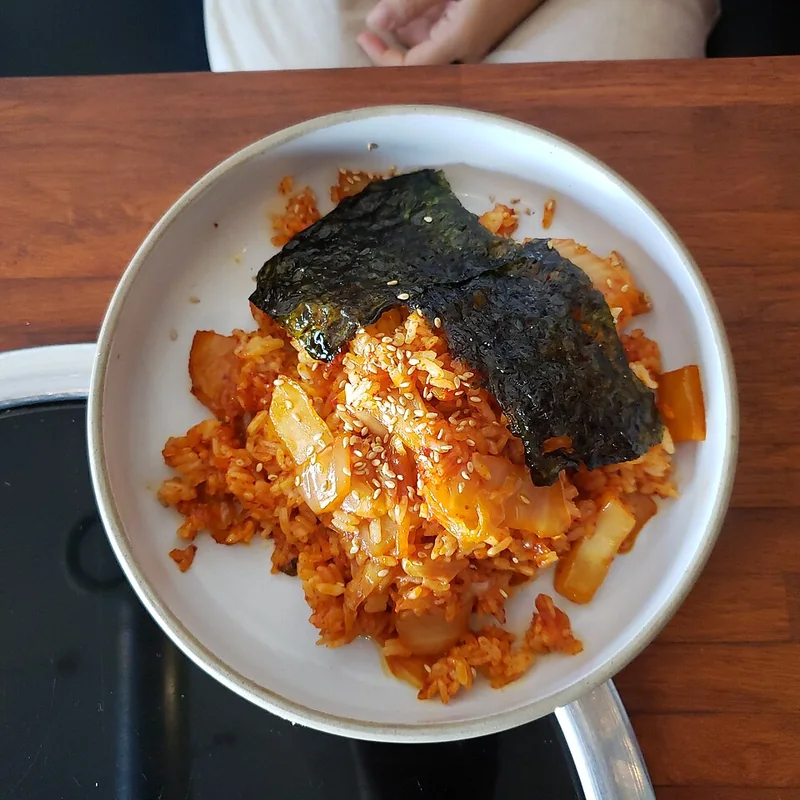
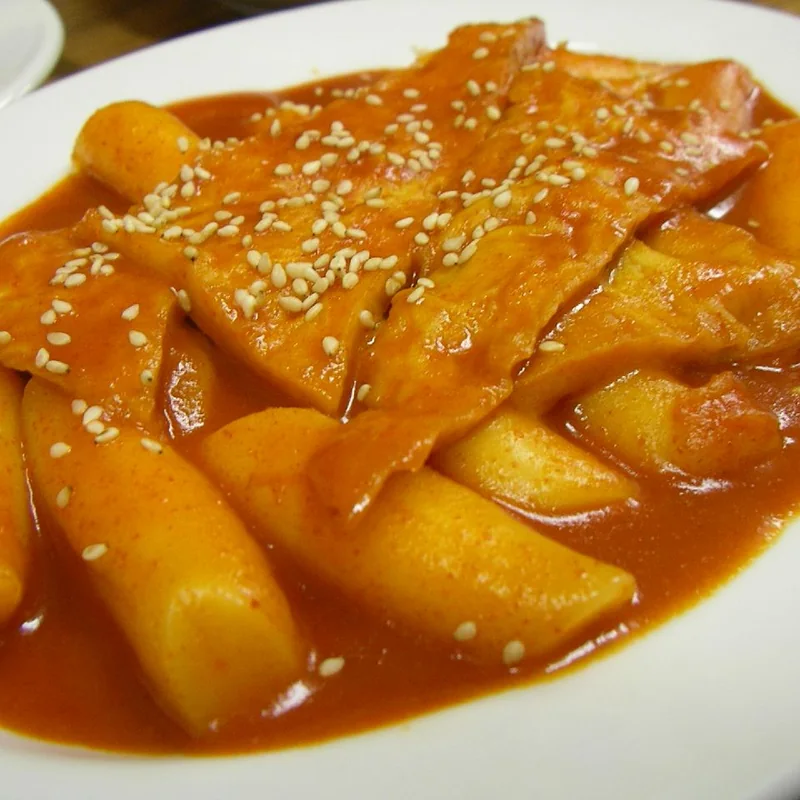
If chile heat is uncertain, begin with bulgogi, japchae or bibimbap with the gochujang on the side. Mix bibimbap only after tasting the components, then add paste in small amounts. For a warmer, bolder meal, choose sundubu jjigae; for chewy street-food energy, choose tteokbokki. Kimchi fried rice is familiar in form but still fermented and spicy. Ask how many people a grill or stew serves because those dishes can be communal, while rice bowls are usually easier individual starting points.
03 · Share
For two diners, one mild anchor and one bolder contrast make the menu easier to read: bulgogi with bibimbap, or japchae with sundubu jjigae. Rice helps with salty or spicy bites, while whatever banchan arrives can reset the palate between them. Do not assume every side dish is free, unlimited or identical across countries; follow the menu and the restaurant’s explanation. If the venue centers on tabletop barbecue, order to its stated minimum rather than applying a generic three-dish formula.
Scope note: restaurant menus, regional traditions, recipes and serving sizes vary. This page is an orientation to six documented dishes—not a claim that they represent every Korean kitchen. Confirm ingredients, allergens and dietary needs with the restaurant.
Compare before you order
Open any dish for a direct flavor description and short origin note. The $0 buttons belong to CraveLoop’s fictional cart; they do not contact a restaurant.
Food guides
Compare mixed rice with separate toppings and kimchi fried rice: texture, tang, sauce control and what to ask before ordering.
Read the guide →