Food guides · Reviewed
Bibimbap vs kimchi fried rice: choose your Korean rice bowl
Compare mixed rice with separate toppings and kimchi fried rice: texture, tang, sauce control and what to ask before ordering.
The short answer
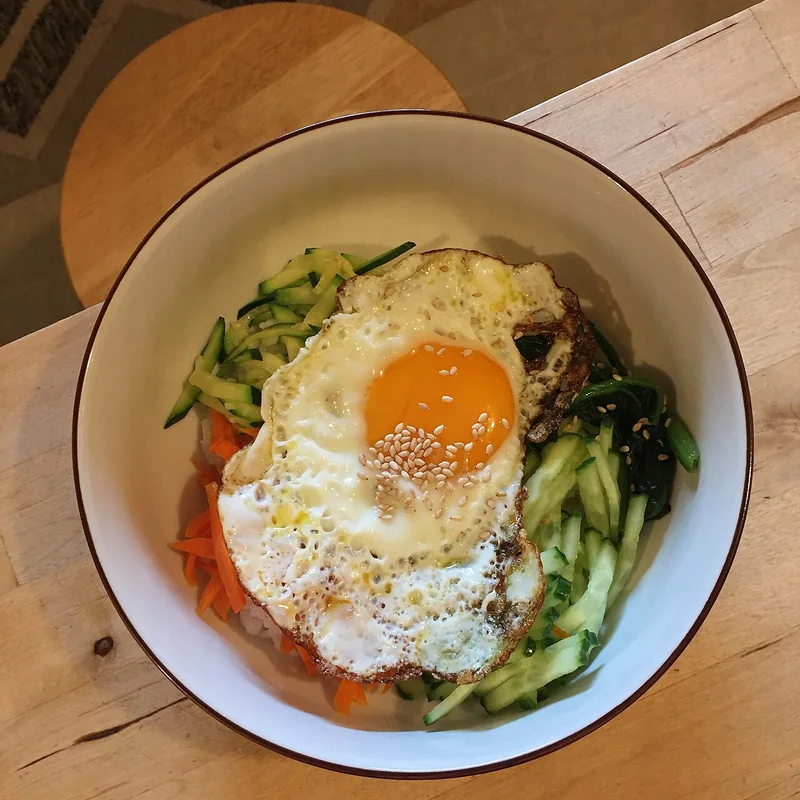
Choose bibimbap for a bowl of rice and distinct toppings that you mix together. Choose kimchi fried rice when you want kimchi flavor carried through the rice. Both can include egg or meat, and neither name guarantees a vegetarian recipe.
Sharing uses your device’s share menu, or copies a public link. It never publishes automatically.
Compare your options
| Option | Choose it for |
|---|---|
| Bibimbap | Rice, seasoned vegetables, egg and gochujang. |
| Kimchi Fried Rice | Tangy kimchi, rice, sesame and a crisp-edged egg. |
| Bulgogi | Thin beef marinated with soy, pear, garlic and sesame. |
Mixed at the table or cooked together
Bibimbap lets you see its toppings before combining them. Kimchi fried rice brings a more integrated rice-and-kimchi base. Think about whether you enjoy adjusting each bite or want a fairly consistent tangy flavor throughout. Individual restaurants vary the toppings and seasoning, so inspect the description rather than relying only on the photo.
Separate crisp rice from the dish name
A hot stone bowl can create a crisp layer in some bibimbap preparations, but ordinary bibimbap need not have that crust. Fried rice is not automatically crisp either. If texture is your main reason for ordering, ask whether the bowl is hot stone and how the rice is cooked.
Make the first mouthful adjustable
When sauce is served separately, start with a small amount and mix more if needed. Kimchi fried rice may already contain chili and fermented seasoning throughout, so optional sauce is not the whole source of heat. Ask what the kitchen can change before requesting a milder version. If cooking at home, follow a complete recipe rather than treating a restaurant comparison as cooking instructions.
Build your order
- Decide between distinct toppings and an integrated kimchi base.
- Check egg, meat and sauce rather than assuming the bowl is vegetarian.
- Ask about hot-stone service if you specifically want a crisp rice layer.
Recipes and portions vary by restaurant. This is a flavor guide, not an allergy or dietary screening tool; confirm ingredients with the cook.
Questions before your first bite
Is bibimbap always served in a stone bowl?
No. Hot-stone bibimbap is one serving style; the general name does not promise it.
Can I remove the kimchi flavor from kimchi fried rice?
It is central to the dish. If fermented tang is not what you want, compare another rice dish instead of expecting the same preparation without its main flavor.
Keep exploring
Cook it yourself
Sources & further reading
Ingredient and cultural references. The comparisons and suggested combinations are CraveLoop editorial guidance, not restaurant menus.