Country food starter guide
What to Eat in South Korea: Rice-Bowl Guide
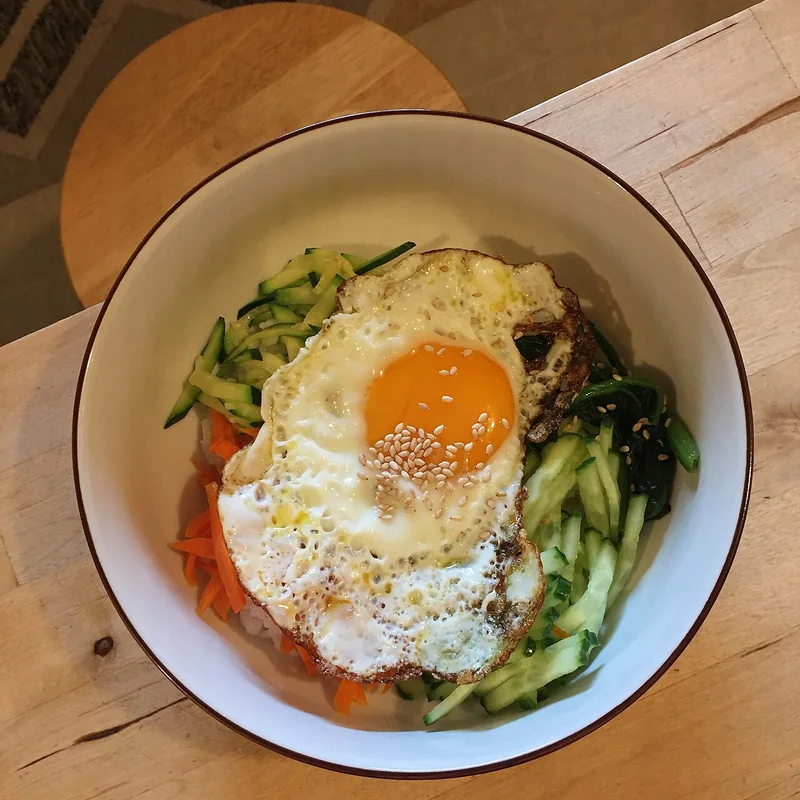
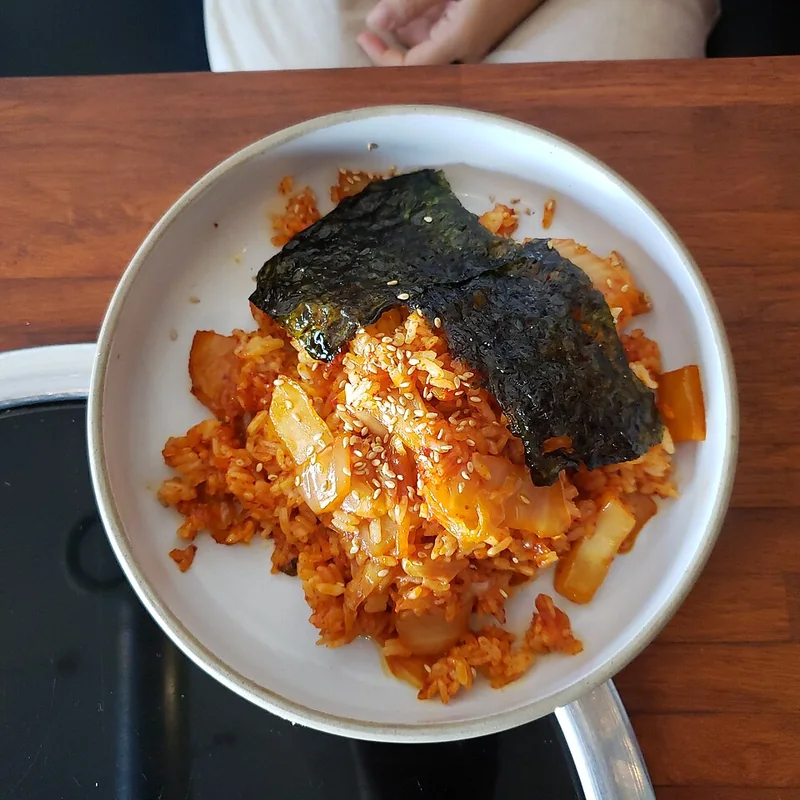
Rice offers a practical entry into Korean food, but two bowls can produce very different experiences. Bibimbap arranges vegetables, rice, egg and sauce so the diner controls each mixed bite. Kimchi fried rice brings fermented seasoning directly into a hot, cohesive pan. These examples show contrast inside one staple while remaining only a small doorway into South Korea’s varied regional cooking.
How the flavors fit together
Bibimbap can be earthy, fresh, nutty and spicy depending on its vegetables, sesame and gochujang, with crisp rice adding contrast in some versions. Kimchi fried rice is tangier and more integrated, combining fermented acidity, chile warmth and toasted rice. Heat is adjustable rather than a fixed rule for every Korean dish.
How to choose a first dish
Start with bibimbap if you like seeing components separately before mixing and want control over sauce. Pick kimchi fried rice for a more uniform, tangy and pan-toasted bowl. CraveLoop describes these choices for discovery only and does not represent Korean restaurants or availability in South Korea.
Broaden the table
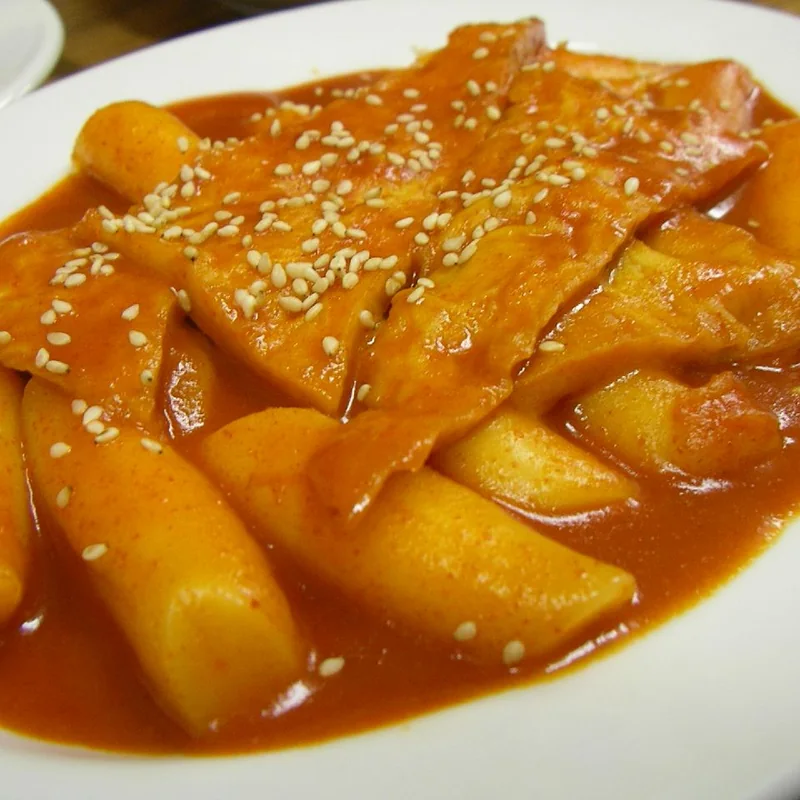
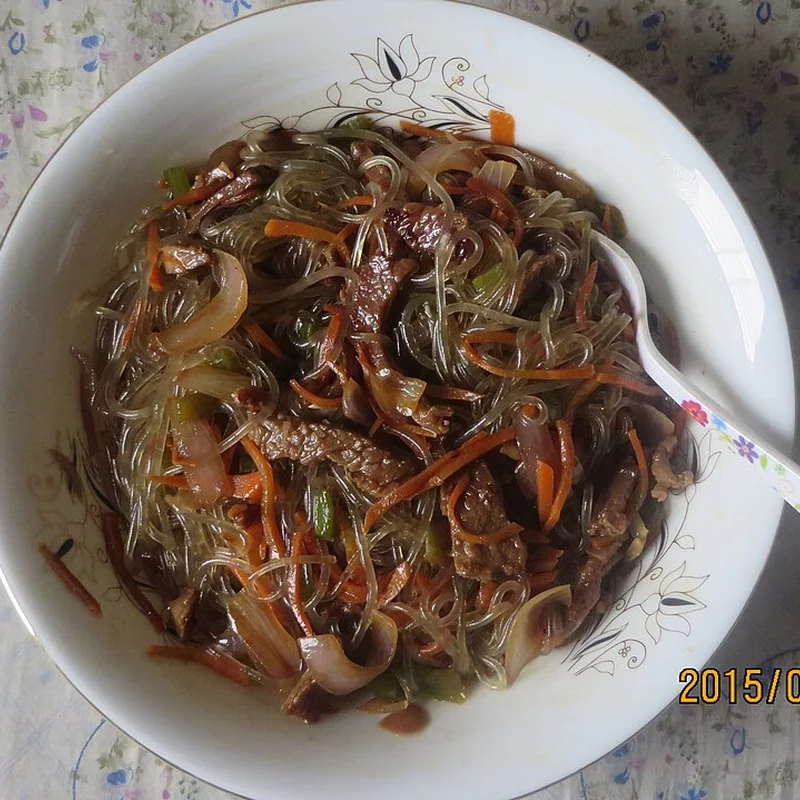
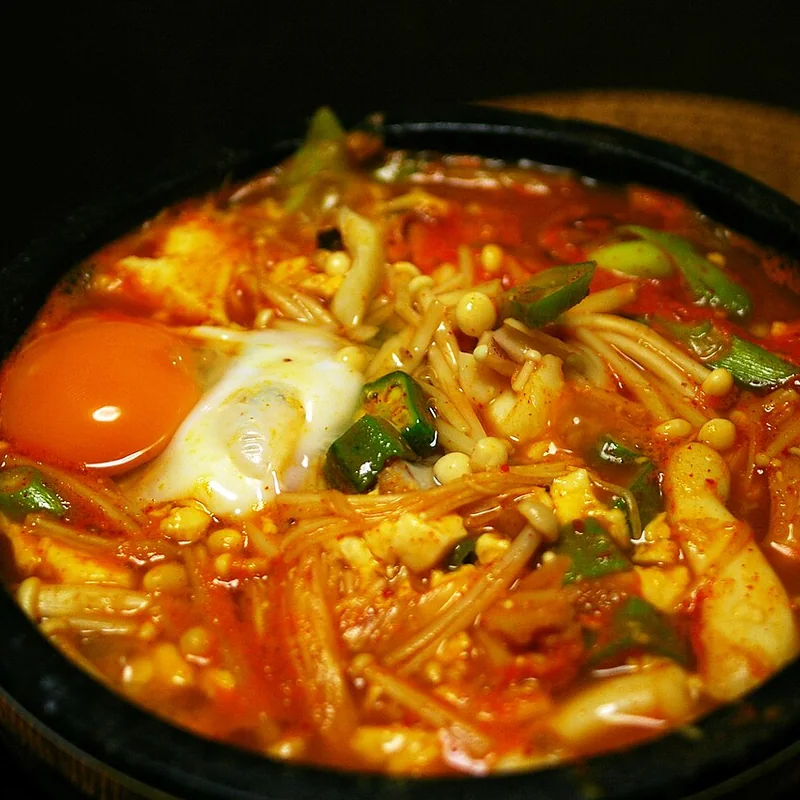
Beyond rice bowls, compare japchae and its springy sweet-potato noodles, tteokbokki and its chewy rice cakes, and sundubu-jjigae as a hot soft-tofu stew. They open different paths through texture, heat and shared-table eating.
CraveLoop
Start with these dishes
Useful answers
Questions people ask
What is the difference between bibimbap and kimchi fried rice?
Bibimbap begins as arranged rice, vegetables and toppings that you mix yourself. Kimchi fried rice cooks the rice and fermented kimchi together, producing a more uniform, tangy and toasted result.
Does every Korean rice dish have to be very spicy?
No. Gochujang and kimchi can add chile warmth, but quantity, recipe and accompanying ingredients change the heat. Bibimbap lets you add sauce gradually, which can make it an easier starting point.