Pad Thai
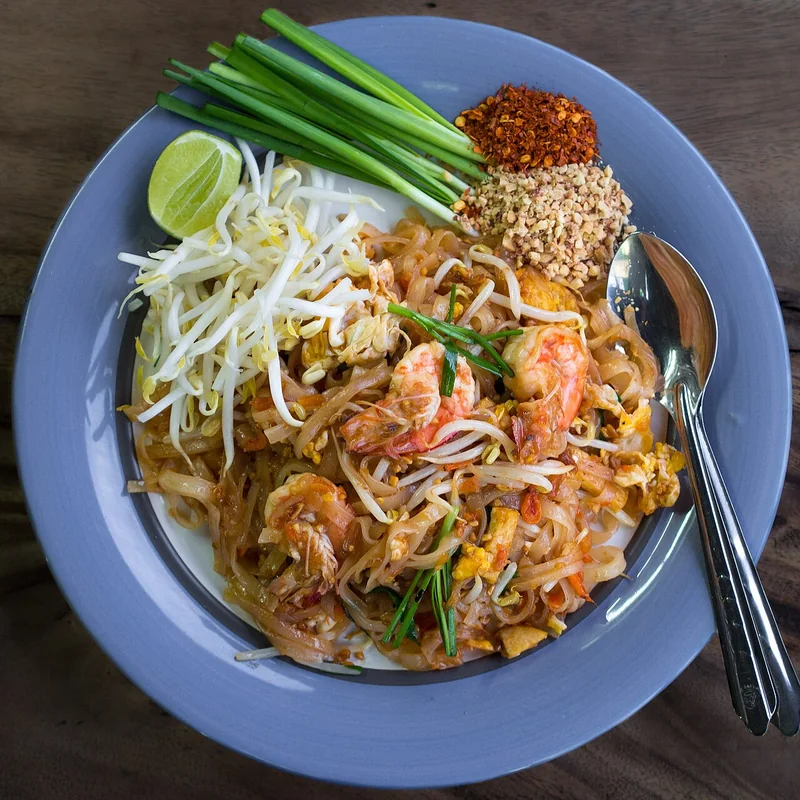
Pad Thai combines chewy noodles, tamarind tang, egg, peanuts and lime in a familiar stir-fried format.
Explore this dish🥭 First-time ordering guide
A first visit should not require memorizing an entire cuisine. Use this guide to compare flavors, choose a manageable Thai order and understand what this six-dish CraveLoop collection can—and cannot—tell you.
Three useful starting points
These are not a universal “best of” ranking. They simply create three different ways into the menu, using dishes already documented in this collection.
Pad Thai combines chewy noodles, tamarind tang, egg, peanuts and lime in a familiar stir-fried format.
Explore this dish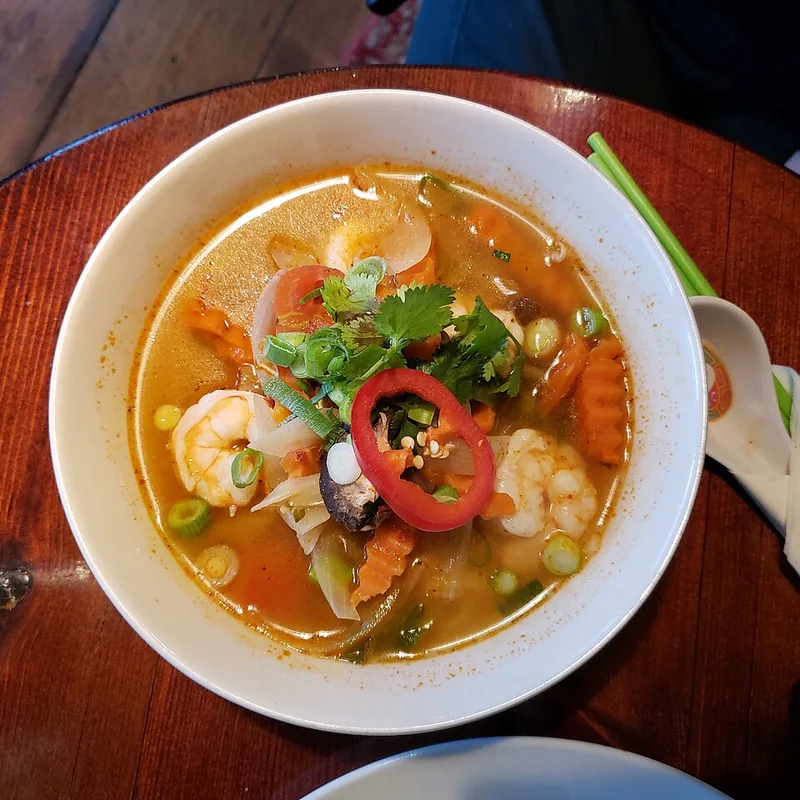
Tom yum goong makes sour, spicy and aromatic flavors explicit through shrimp, lemongrass, galangal and lime leaf.
Explore this dish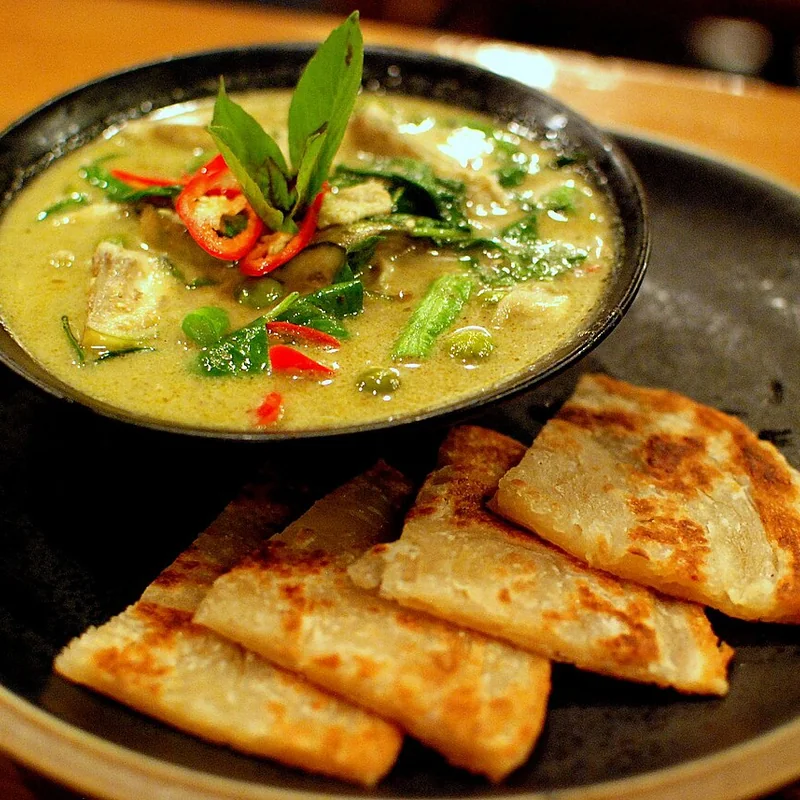
Green curry pairs chile-herb paste and coconut milk, showing that creamy richness and fresh heat can coexist.
Explore this dish01 · Flavor map
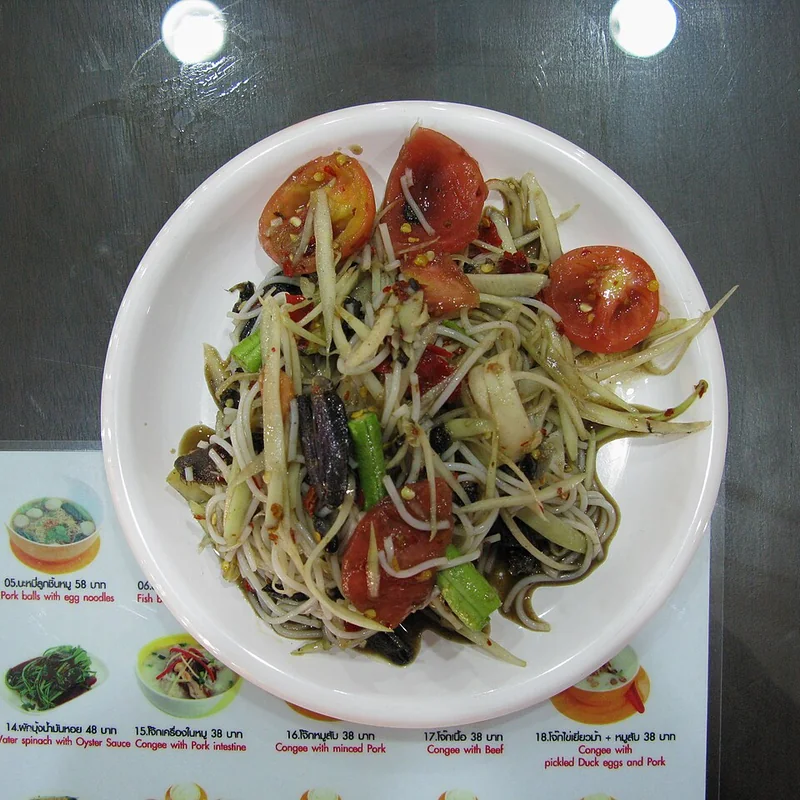
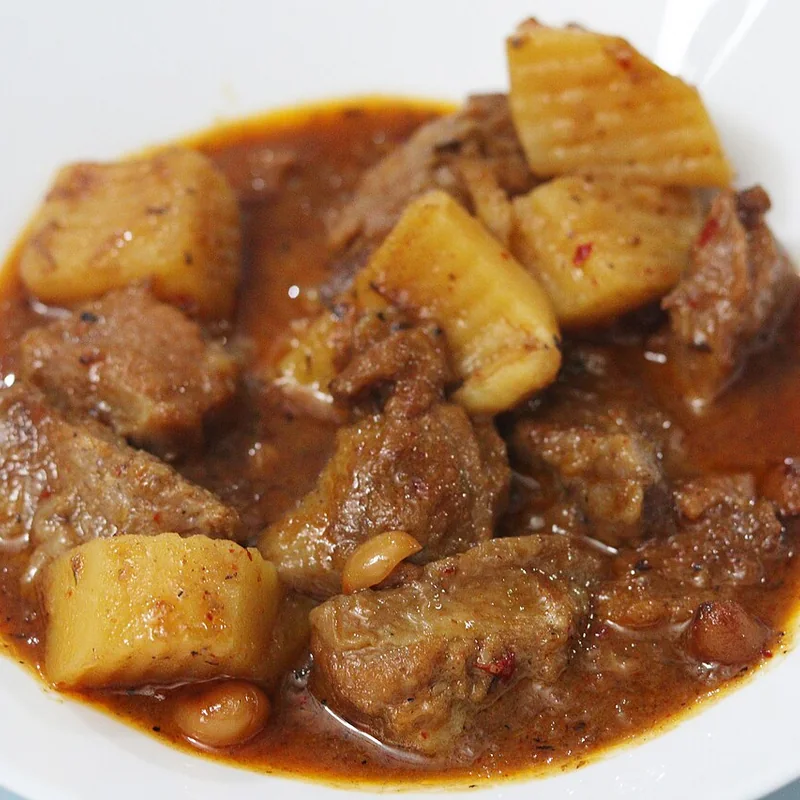
Thai dishes often balance sour, salty, sweet, spicy and aromatic notes, but not every plate contains all five at equal volume. Pad Thai is tangy, nutty and gently sweet; tom yum is sharp, fragrant and often hot; green curry is creamy yet herbaceous; som tam is crisp, sour and chile-driven; Massaman curry is warmer, slower and more spice-led than green curry. Fish sauce, lime, tamarind, coconut and fresh herbs play different roles. Heat levels and sweetness vary by restaurant, so ask how that kitchen prepares a dish.
02 · Order
For a first comparison, combine one noodle or rice dish, one soup or curry and one fresh or crisp dish if portions allow. Pad Thai is an accessible noodle baseline; tom yum shows the cuisine’s sour-aromatic edge; green curry shows coconut richness; som tam adds raw crunch. Ask for the restaurant’s heat scale and do not assume “medium” means the same everywhere. If fish sauce, shrimp paste, peanuts or shellfish matter for dietary reasons, confirm them directly—even vegetable-named dishes may use those seasonings.
03 · Share
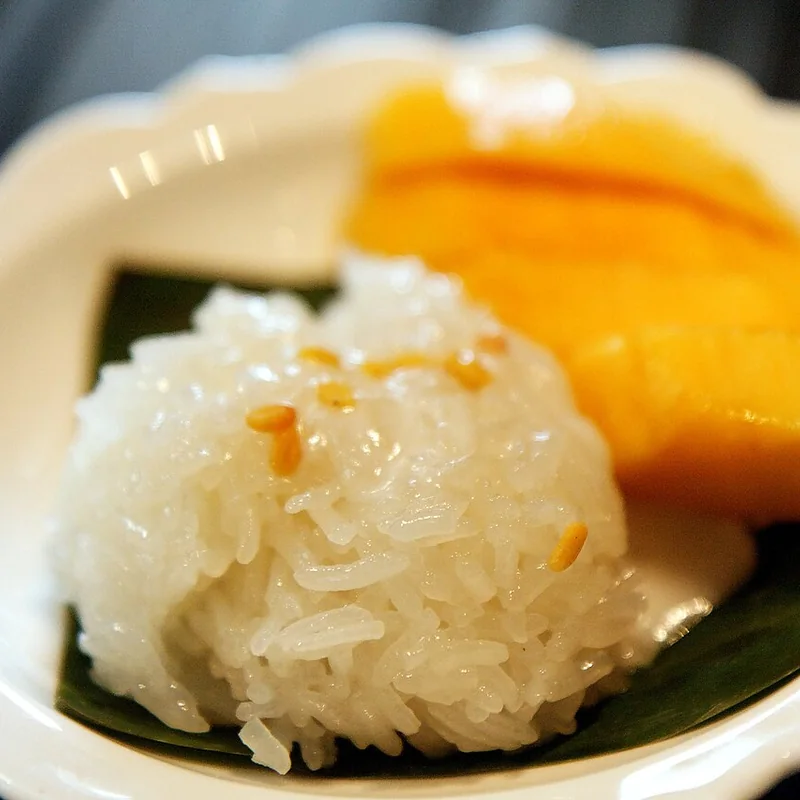
For two people, choose contrasts rather than three coconut curries: pad Thai with tom yum, or green curry with rice and som tam. Add mango sticky rice only if you want a sweet, cooling finish. Curries generally need rice, while a noodle dish already carries its starch. Portions and shared-service customs vary, so ask before treating every dish as an individual entrée. A specialist noodle or northern Thai menu may call for a different plan; let the menu’s regional focus lead.
Scope note: restaurant menus, regional traditions, recipes and serving sizes vary. This page is an orientation to six documented dishes—not a claim that they represent every Thai kitchen. Confirm ingredients, allergens and dietary needs with the restaurant.
Compare before you order
Open any dish for a direct flavor description and short origin note. The $0 buttons belong to CraveLoop’s fictional cart; they do not contact a restaurant.
Food guides
Compare tom yum goong and pad thai by format, flavor and accompaniments, then build a Thai first order that suits your appetite.
Read the guide →