Country food starter guide
What to Eat in Japan: A First-Bite Guide
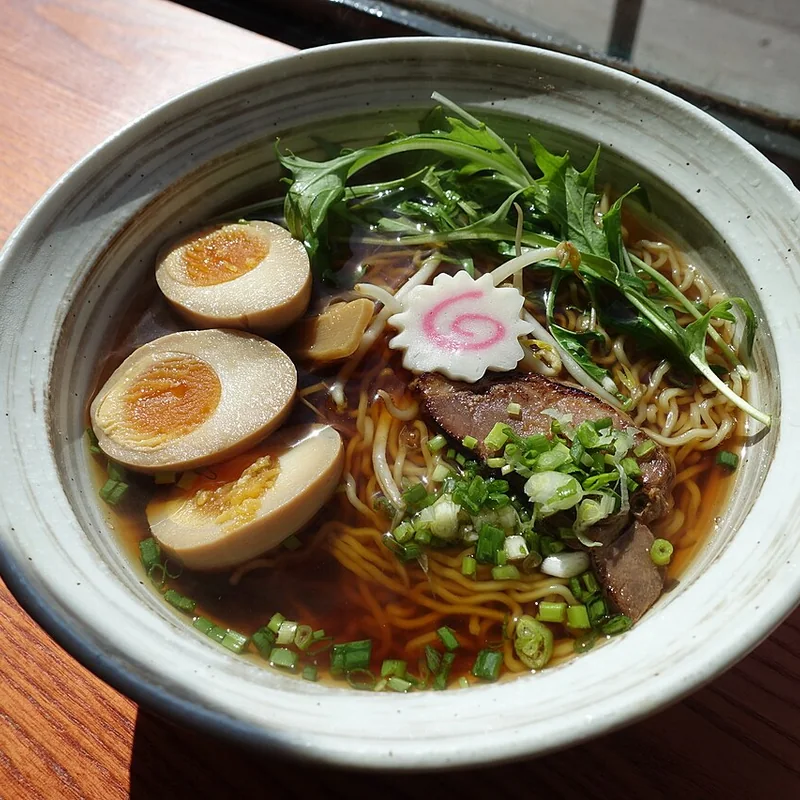
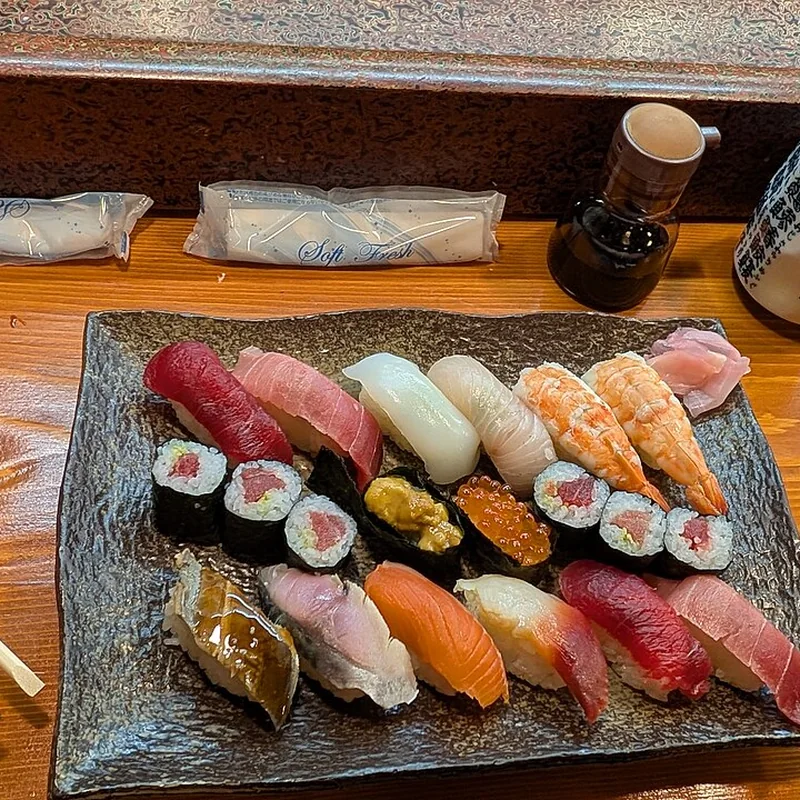
A first look at Japanese food works best as a series of contrasts rather than a checklist of famous dishes. A clear bowl of shoyu ramen highlights seasoned broth and noodles, while a sushi platter shifts attention to rice, temperature and careful bites. Together they make a useful, limited starting point for exploring a much broader food culture without pretending two dishes tell the whole story.
How the flavors fit together
Shoyu ramen tends toward savory depth from soy-seasoned broth, with noodles adding chew and toppings changing richness. Sushi can move between clean, delicate, briny and rich notes, but seasoned rice remains central. Neither needs to be aggressively spicy; texture, temperature and restraint often matter as much as intensity.
How to choose a first dish
Choose ramen when you want a warm, complete bowl and enjoy following broth with noodles and toppings. Choose sushi when you prefer smaller bites and want to compare textures one piece at a time. This editorial guide links to a fictional cart, not to restaurants, prices or delivery coverage in Japan.
Broaden the table
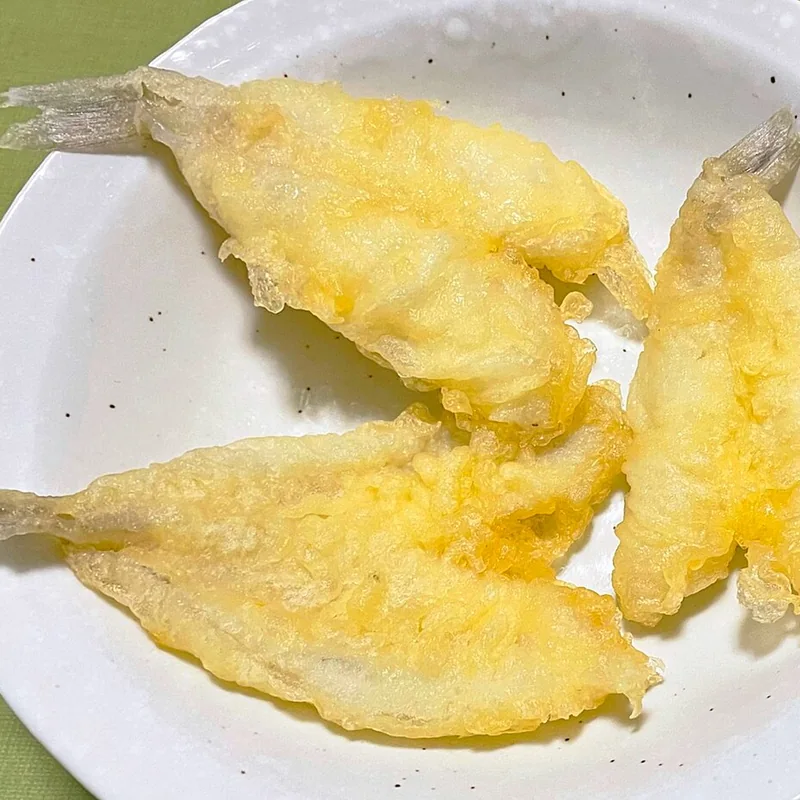
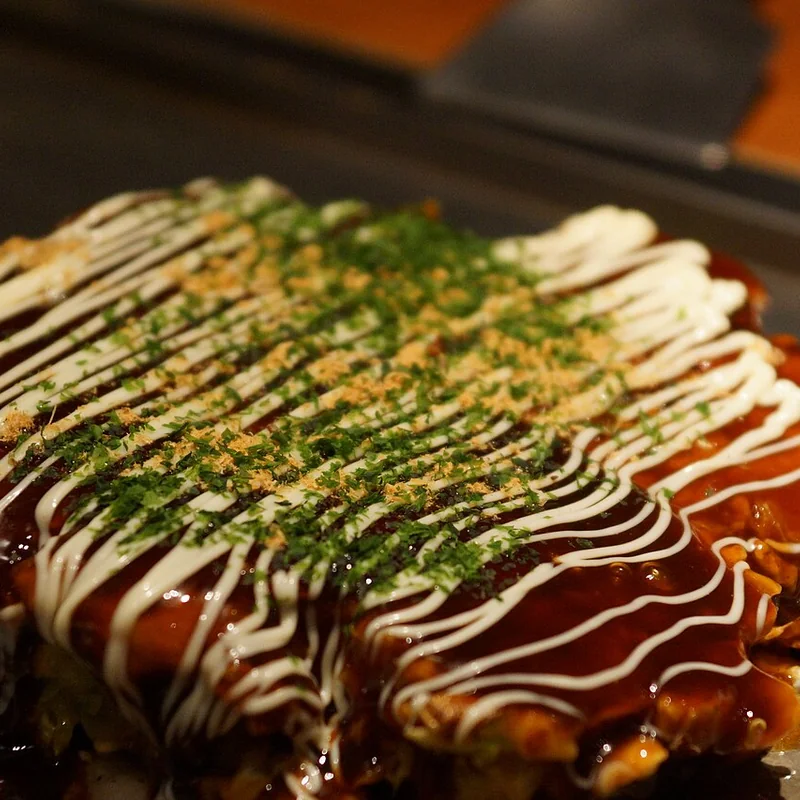
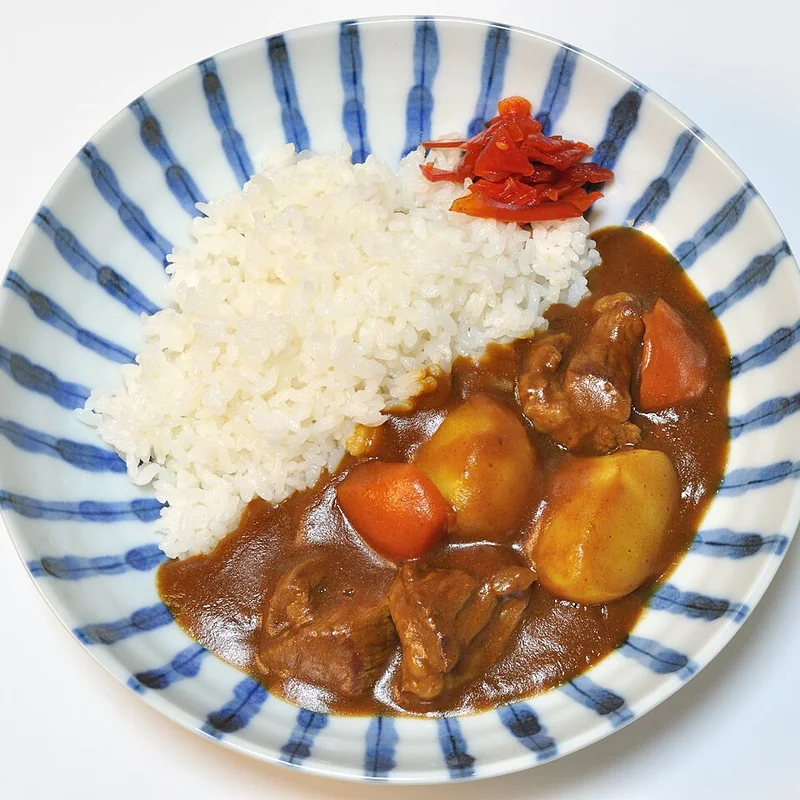
To widen the starting point, look next at tempura for light fried texture, okonomiyaki for a savory griddled meal, and Japanese curry for everyday comfort. Each has local variations, and none should be treated as a single national standard.
CraveLoop
Start with these dishes
Useful answers
Questions people ask
What Japanese food is approachable for a first try?
Shoyu ramen offers a familiar noodle format with a savory broth, while sushi is useful if you enjoy rice and small composed bites. Start with the texture and temperature that sound more comfortable.
Is Japanese food always raw or spicy?
No. Ramen is a cooked noodle soup, and sushi refers to seasoned rice rather than automatically meaning raw fish. Heat varies by dish; the two examples here focus more on savoriness, balance and texture.