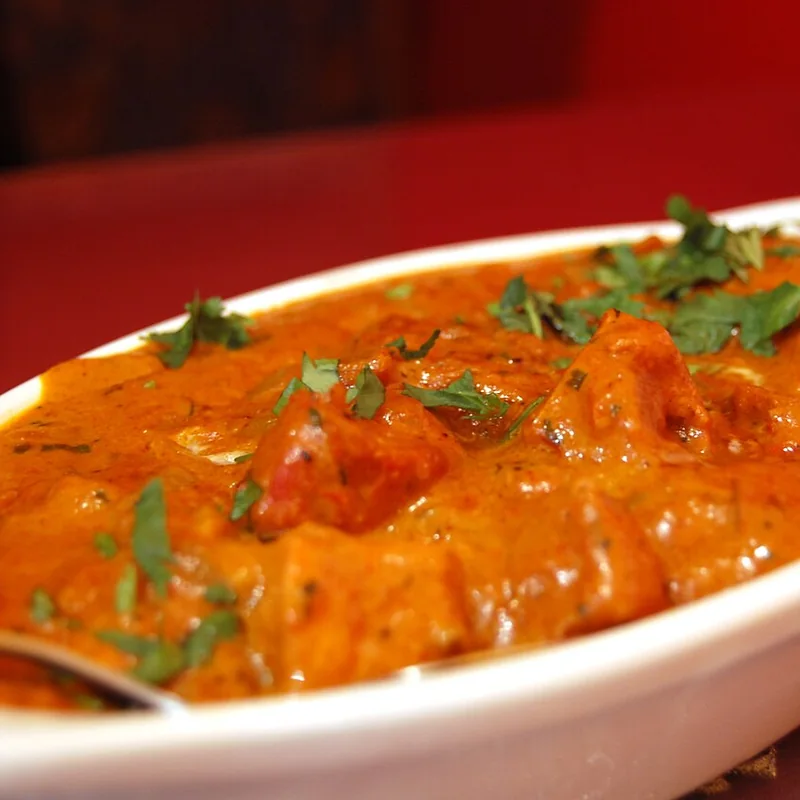
Butter Chicken
Charred chicken in a silky tomato-butter sauce.
Cook this recipe · 45 min · 4 servings →Start with a smaller menu
Choose dinner for two with different tastes. Compare four meals, plan portions and timing, check a real takeaway budget, then save or share your shortlist.
Compare two at a time →Start with a meal format you both accept, rather than asking one person to choose everything. A curry to share, two rice bowls or a noodle dinner can use one shared base with individual finishing touches. Check the full recipe or restaurant portion before deciding how much to make or order.
Charred chicken in a silky tomato-butter sauce.
Cook this recipe · 45 min · 4 servings →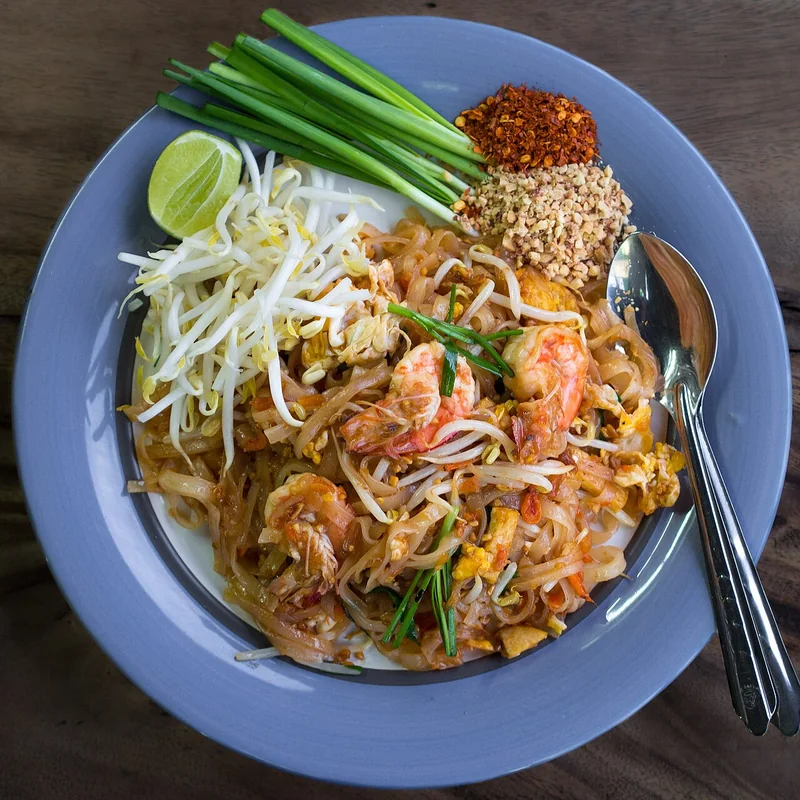
Wok-fried noodles, tamarind, peanuts and lime.
Cook this recipe · 30 min · 2 servings →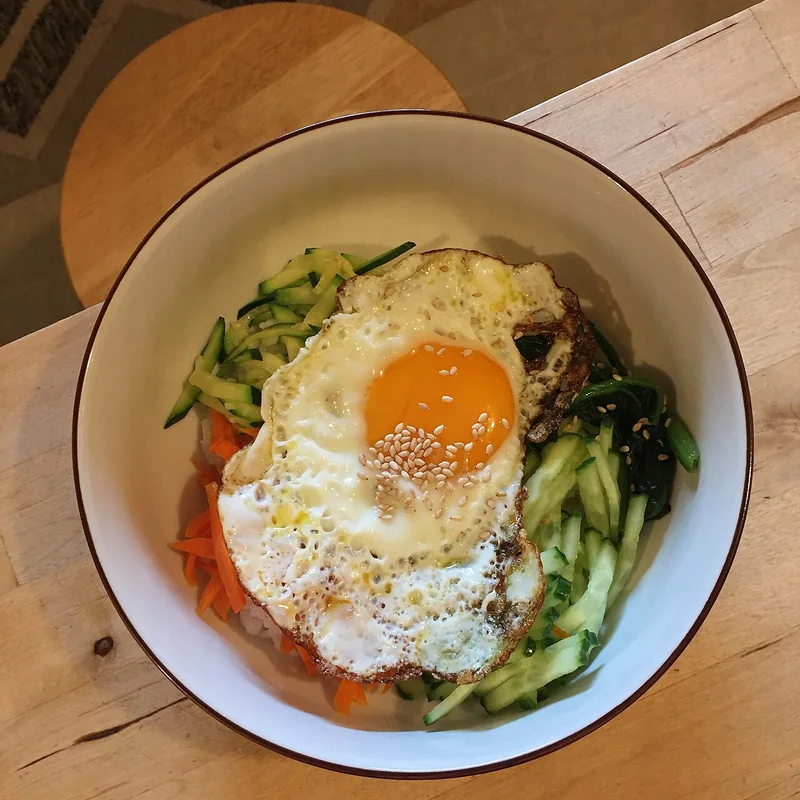
Rice, seasoned vegetables, egg and gochujang.
Cook this recipe · 40 min · 2 servings →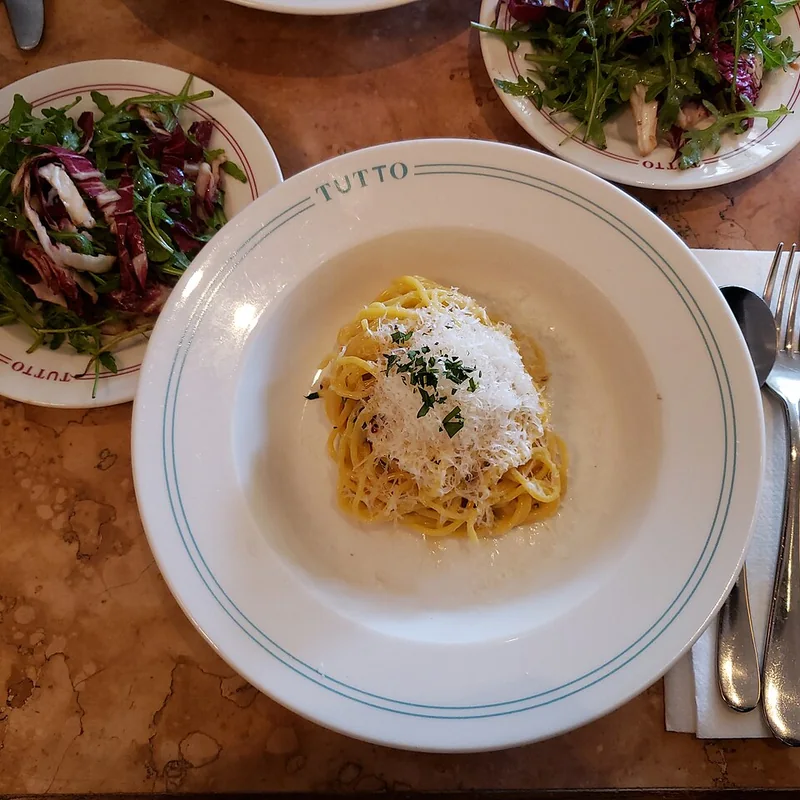
Pasta, pecorino and black pepper in glossy harmony.
Each person should name one thing they want and one thing they need to avoid. Then agree on cooking versus takeaway, a finish time and a total spending limit. If one person wants noodles and the other mainly dislikes a particular sauce, that is a more useful starting point than arguing over entire cuisines. Remove incompatible dishes before starting the face-off.
For a saucy main with rice or bread, compare butter chicken. For noodles with contrasting toppings, consider pad thai. For separate components that you combine in your own bowl, consider bibimbap. Cacio e pepe centers on pasta, cheese and pepper. These are four formats to discuss, rather than a promise that every recipe can satisfy every preference.
Our linked pad thai and bibimbap recipes each state two servings; butter chicken states four. For butter chicken, either scale the ingredient quantities to half or deliberately plan more than one meal. Scaling ingredients does not halve the cooking time. Count rice, bread and other sides as part of the meal, then adjust to both appetites. Restaurant serving sizes need a separate check; one menu item is not automatically one person’s dinner.
Bibimbap makes this conversation concrete: share the prepared rice and vegetables, then divide them into two bowls and serve optional gochujang separately. One person can add more sauce while the other starts with less. For noodles, keep optional lime, pepper or garnishes separate when the recipe allows. Chili already cooked into a sauce cannot be removed at the table. Check the full ingredients before relying on a dish name for a dietary requirement.
The linked recipes list 30 minutes for pad thai, 40 for bibimbap and 45 for butter chicken. These are the recipe estimates, not a timer guarantee; account for your equipment, ingredient preparation and any rice or side dish that still needs cooking. Read the whole method first. Divide the tasks: one person checks ingredients and starts the longest component while the other prepares toppings and the table. Finish delicate noodles and final sauce steps close to serving.
Choose one main direction first, check which staples or accompaniments you already have, and add a side only if you both want it. For takeaway, compare the final total in the restaurant or delivery service: food, included sides, delivery, service fees and any tax shown. Agree whether leftovers are useful before adding another main. CraveLoop’s imaginary menu prices belong to the game and cannot estimate a local grocery bill or restaurant order.
Ask whether the dish comes with rice or bread, whether its portion is intended for one or for sharing, and whether optional sauce can be packed separately. Confirm the actual ingredients and changes the kitchen can make. Recheck the address, collection or delivery time and the final bill on the service you use. CraveLoop helps you decide; its pretend checkout does not send a real order.
This is a free food discovery tool, not a restaurant ordering service. Recipe times refer to our linked recipes; availability and ingredients vary. Confirm ingredients with whoever prepares your meal.
Build a dinner shortlist →Start with a shared base and optional finishing ingredients. Our bibimbap recipe makes two servings, with rice, vegetables and eggs that you can divide into separate bowls. Keep the optional gochujang separate if that suits both of you. Review the complete recipe because changing a topping does not change ingredients already in the base.
You can scale the listed ingredients to two servings or choose to make the full recipe for more than one meal. Recheck the method, pan size and sides. Halving the quantities does not make the cooking time half as long, and appetites may differ.
The linked pad thai, bibimbap and butter chicken recipes list 30, 40 and 45 minutes respectively. This page does not label them as 20-minute meals. If your limit is 20 minutes, check a complete recipe that fits it or compare the actual collection or delivery estimate before choosing.
No. The link includes the dish IDs so your partner can open the same candidates; it does not synchronize devices or collect votes. Save on this device stores the candidates only in the browser where you press it. Discuss your finalists together and use Clear list to remove a saved list.
Food guides
Plan an Indian restaurant order for two: choose a main, rice or bread, and a contrasting dish without ordering four similar curries.
Read the guide →Compare tomato-and-butter chicken with spinach-and-paneer curry by sauce, texture, pairings and the questions to ask before ordering.
Read the guide →Choose between an aromatic biryani and a masala dosa by texture, accompaniments and how you want to eat your next Indian meal.
Read the guide →Dinner decider
Compare real dishes, save your favorites and send the same options to a friend.
Compare shoyu ramen, pad thai and cacio e pepe by texture, sauce and the kind of dinner you want. Build a three-dish shortlist before choosing.
Choose between a mixed rice bowl, tangy fried rice and a saucy tofu dish served with rice. Compare how each meal comes together.
Choose dinner for two with different tastes. Compare four meals, plan portions and timing, check a real takeaway budget, then save or share your shortlist.
Need one starting point instead? Use the “What should I eat?” food picker →